
Loading...
Serving Mission, TX and surrounding areas. (956) 833-0087
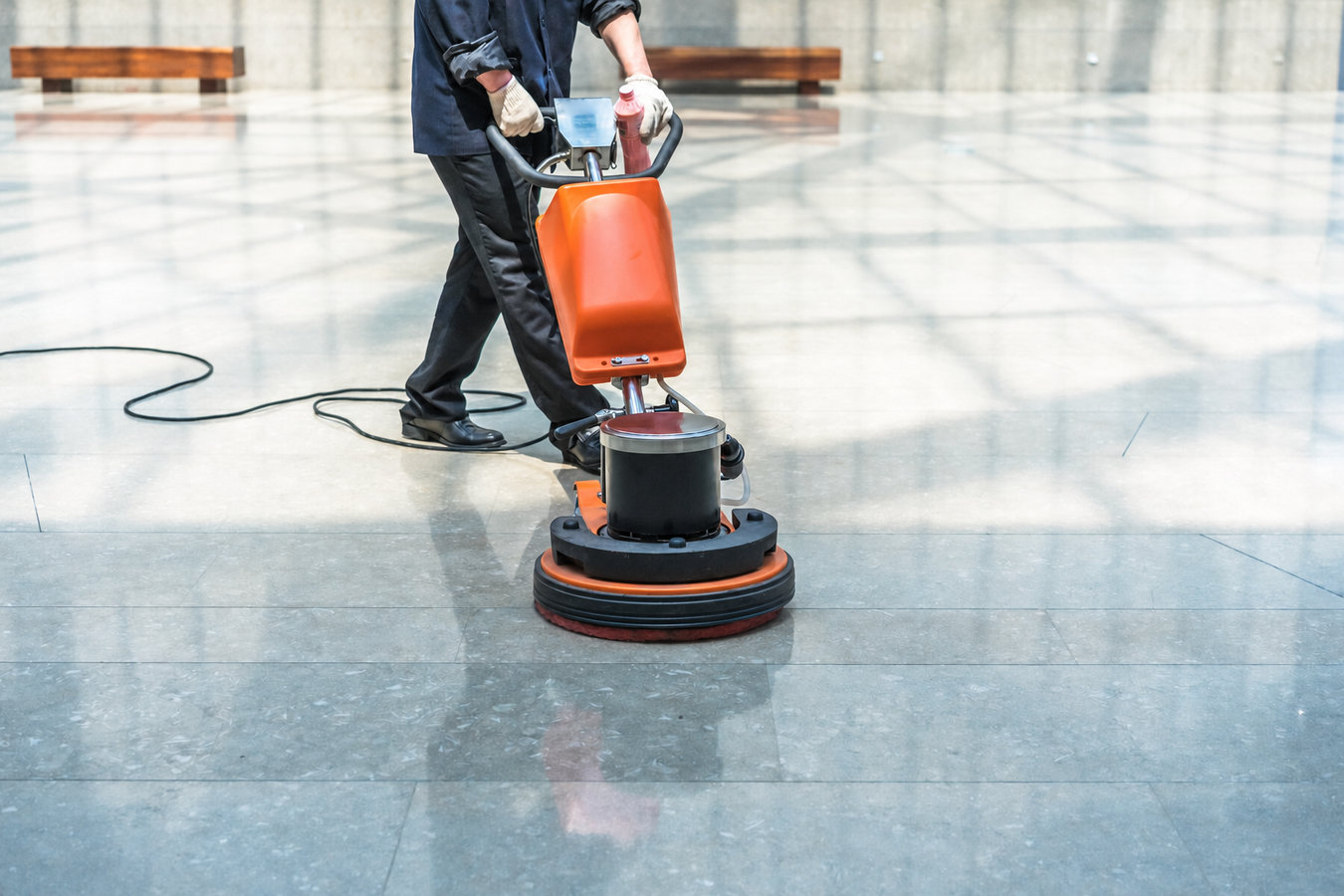
Old adhesive, paint, or a damaged surface layer on your concrete floor will cause new flooring to fail. We strip Mission home floors back to bare, clean concrete - with proper dust control and moisture testing - so whatever goes down next actually stays down.
Concrete floor stripping in Mission, TX is the process of mechanically grinding or scarifying an existing floor to remove old adhesive, paint, coatings, or a damaged surface layer so the slab is clean and ready for new flooring. It is not polishing or cleaning - it physically takes material off the floor. Most single-room or garage jobs take one full day from setup to cleanup.
The most common reason Mission homeowners need this service is after pulling up old carpet, vinyl, or tile - the adhesive left behind is almost always too thick and uneven for new flooring to bond to. Trying to cover it without removing it leads to bubbling, cracking, and failed installations. Mission homes also sit on clay-heavy soil that shifts with every rain cycle, and that movement can crack slabs over time. Stripping the floor reveals the true condition of the slab - cracks that were hidden under years of old flooring become visible and can be repaired before anything new goes in. Once the slab is clean and flat, our Epoxy Floor Coatings service is one of the most popular next steps for garages and utility spaces.
If you have pulled up carpet, vinyl, or tile and the concrete underneath has patches of old glue or a rough, uneven surface, new flooring will not bond or lay flat over it. You can feel this by walking across the bare slab in socks - any stickiness, raised ridges, or gritty patches mean the surface needs to be stripped before anything new goes down.
Concrete that has started to break down will look chalky or flake when you scuff it with your shoe. In Mission, where slabs go through repeated wet and dry cycles throughout the year, this kind of surface deterioration is common in homes that are 20 or more years old. A stripped and properly prepared surface gives new flooring a solid, stable base to bond to.
When flooring fails repeatedly in the same areas, it usually means the concrete underneath was not properly prepared before the last installation. The adhesive or surface coating underneath is preventing a good bond. Stripping the floor back to bare, clean concrete and starting fresh is the only reliable fix - patching over a bad base just delays the same problem.
In the Rio Grande Valley, humidity is high and moisture can move up through a concrete slab even when the surface looks dry. If you notice a musty smell near your floors - particularly after a heavy rain or during humid summer months - moisture may be trapped under old flooring or adhesive. Stripping lets the slab be properly assessed and treated before new flooring seals the problem back in.
We use grinding and scarifying machines matched to the specific job - the right equipment for a single layer of old adhesive in a bedroom is different from what it takes to strip decades of paint off a garage slab. Dust containment is handled from the start, with the work area sealed and vacuums attached directly to our equipment. The Occupational Safety and Health Administration sets specific standards for concrete dust control during grinding work - we follow those standards on every job to protect your household and our crew. Debris is removed and hauled away as part of the job - we do not leave concrete chunks or ground material for you to deal with.
After stripping, we do not hand you a bare floor and walk away. Every job ends with a moisture check - especially important in Mission's humid climate, where concrete slabs in slab-on-grade homes can hold more moisture than homeowners expect. Skipping that test before new flooring goes down is one of the most common reasons floors fail within a year or two in this region. Once we confirm the slab is ready, our Concrete Grinding and Surface Preparation service provides any final profiling or leveling the slab needs before your chosen flooring goes in.
Old glue from carpet, vinyl tile, or sheet flooring - including the black mastic adhesive common in older Mission homes - ground down cleanly so new flooring has a flat, bondable surface.
Old floor paint, epoxy coatings, or sealers that are failing, peeling, or incompatible with new flooring - stripped back to bare concrete so the next application bonds correctly.
Spalled, powdery, or deteriorated concrete on the surface layer ground away to expose solid material underneath - common in older Mission homes where the top layer has broken down from moisture cycling.
Garages, enclosed patios, and older additions in Mission often have oil stains, broom-finished surfaces, or rough concrete that has to be stripped and profiled before flooring or coatings can go in.
Mission sits in one of the most consistently hot and humid parts of Texas, and that climate shapes what happens inside your home's concrete slab year-round. Slabs here absorb and release moisture more actively than in drier parts of the state. That moisture - combined with the clay-heavy soil under most Hidalgo County homes, which swells with every rain and shrinks in the dry season - creates conditions where concrete surfaces deteriorate faster and where new flooring fails more often if the prep work is skipped. Homeowners in Weslaco and throughout the Valley deal with the same slab conditions, and the same rules apply: strip the surface correctly, test for moisture, and the new flooring stays down.
A significant share of Mission's housing stock was built between the 1970s and 1990s. Homes from that era commonly have flooring adhesives that are now decades old and difficult to remove cleanly. Some adhesives from before the mid-1980s also require specific handling during removal to protect the people in the home. If your house is older, that conversation needs to happen before any grinding starts. Mission's growth over the past decade has also brought in contractors with very different experience levels - homeowners near Edinburg and across the Valley should ask specifically whether a contractor owns their equipment and has done residential concrete stripping work before agreeing to anything.
We ask the basic questions - the size of the area, what flooring is currently on the slab, and what you plan to put down afterward. We schedule a walk-through before giving any firm price, because the condition of the existing surface determines how much work is actually involved. You hear back within one business day.
We look at the floor closely - checking old adhesive, paint layers, cracks, and deteriorated areas. We explain what we find in plain terms and give you a written estimate that separates labor, equipment, and debris removal. No surprises once the machines are running.
The crew seals off open doorways with plastic sheeting, brings in the right grinding equipment for your floor, and begins removal. The work is loud - that is normal. Vacuums attached to the equipment capture the bulk of concrete dust as it is produced, keeping the rest of your home livable.
Once stripping is complete, we clean up and walk the floor with you - it should be flat, consistent in texture, and free of leftover adhesive. We then perform a moisture check on the bare slab. If moisture levels are elevated, we walk you through options before you commit to any new flooring.
Free walk-through, written estimate, no obligation. We show you exactly what the floor needs before any work starts.
(956) 833-0087Crews who own their grinding machines know them well and produce consistent results. Rented equipment operated by someone unfamiliar with it leaves grinder tracks, uneven depth, and patches where old adhesive was missed - problems that show up after new flooring is installed. We own our equipment and stand behind the results.
In Mission's humid climate, a slab that looks dry on the surface can still have moisture levels high enough to cause new flooring to fail. We test for moisture after every stripping job and give you an honest answer about whether the slab is ready. We do not rush you into the next step before the floor is actually ready for it.
A meaningful share of Mission homes were built before the mid-1980s, and adhesives from that era require specific handling during removal. We ask about your home's age and flooring history before any grinding begins. That conversation protects your family and our crew, and it is part of how we operate on every residential job.
Concrete debris and old adhesive have to be disposed of properly under Texas Commission on Environmental Quality rules. We handle removal and disposal as part of the job - we do not leave you with a pile of material and a separate hauling bill to figure out.
The difference between a stripping job done right and one done fast shows up when new flooring goes down. We would rather take the extra time to do it correctly than have you calling us back because the new floor is already failing.
After stripping, epoxy is one of the most durable and popular finish options for Mission garages, utility rooms, and commercial spaces.
Learn MoreFinal surface profiling and preparation work that follows stripping - gets the slab to the right texture and flatness for your chosen flooring or coating.
Learn MoreSummer books fast in the Rio Grande Valley - reach out now to lock in your project date before the calendar fills up.