Loading...
Serving Mission, TX and surrounding areas. (956) 833-0087
Uneven floors, low spots, and worn-out concrete in Mission homes are fixable without demolition. We apply self-leveling concrete and overlays to restore flat, durable surfaces - and we handle the moisture testing and surface prep that Mission's climate demands.
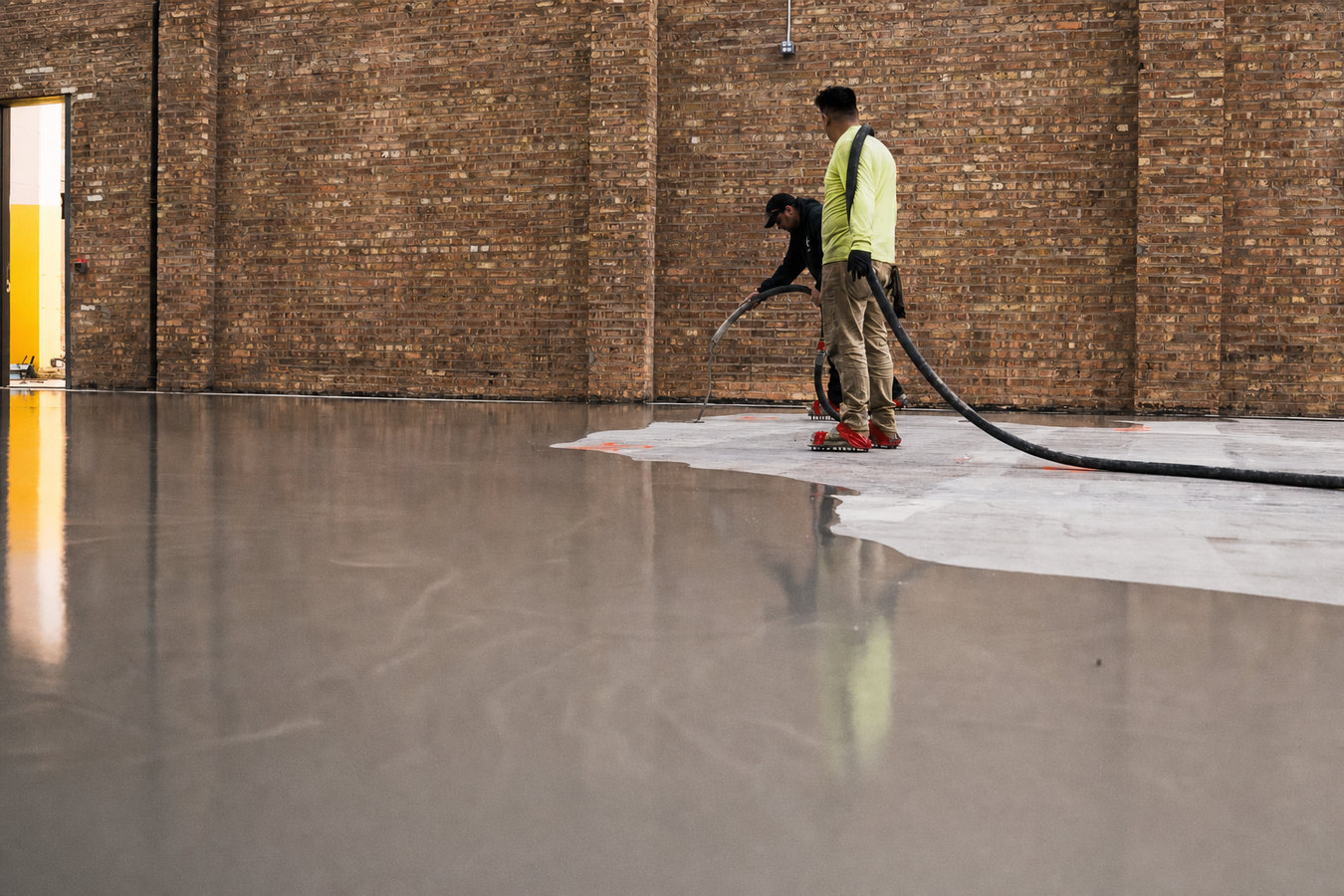
Self-leveling concrete in Mission, TX is a specially mixed material that flows into low spots and settles into a smooth, flat surface without a lot of manual smoothing. It corrects floors that have dipped, settled unevenly, or have areas where water pools after a rainstorm or mopping. Most jobs take one to two days from start to finish, and the material sets up fast enough that light foot traffic is possible within a few hours of application.
Mission homes sit on clay-heavy soil that swells and shrinks with every wet and dry cycle - a leading cause of the uneven floors and spreading cracks that local homeowners deal with regularly. Self-leveling concrete addresses what is visible on the surface, but the underlying cracks need to be repaired properly first so the new material has a solid base to bond to. If the existing surface is too far deteriorated for self-leveling concrete alone, our Concrete Resurfacing and Overlays service covers the full range of options for bringing worn-out slabs back to a usable, finished condition.
If a chair wobbles or a table rocks on what should be a flat floor, the slab beneath has likely settled unevenly. This is common in Mission homes built on clay soil, which shifts with the wet and dry cycles of South Texas weather. Self-leveling concrete is designed specifically to fix this kind of problem without tearing out the whole floor.
If water collects in certain areas of your patio or garage floor rather than draining away, the surface is not level. In Mission, where afternoon thunderstorms are common in summer, a patio that holds water becomes a slipping hazard and accelerates surface deterioration. Self-leveling concrete corrects those low spots and restores proper drainage.
Small hairline cracks are normal, but cracks that are widening, branching, or have edges at different heights indicate slab movement. In Mission, this often traces back to the clay soil underneath expanding and contracting with seasonal rain and drought. A contractor can repair the cracks and apply a flexible overlay system that handles future minor movement.
If a previous epoxy, paint, or overlay is lifting off the floor in sheets or bubbles, moisture pushing up through the slab from below is often the cause. In Mission's humid climate, slab moisture is a frequent culprit. Before any new overlay goes down, the moisture source needs to be identified and addressed - otherwise the new coating will fail the same way.
The right approach depends on what your floor needs and what you want it to look like when the job is done. For floors with genuine unevenness - dips, settled areas, or spots where water pools - self-leveling concrete is poured first to correct the surface before anything else goes on top. It flows into low spots, self-settles into a flat plane, and creates a solid foundation that a finish coat can bond to properly. This is especially important in Mission where slab movement from clay soil can create uneven surfaces that no amount of overlay on its own will fully address. Our Pool Deck Coatings and Resurfacing service uses similar preparation principles for outdoor surfaces where leveling and a slip-resistant finish are both priorities.
Once the floor is flat and properly prepped, an overlay gives you a finished surface that looks the way you want it to. Plain overlays deliver a clean, uniform gray or smooth surface that is far easier to maintain than rough, porous concrete. Decorative overlays can mimic stained concrete, polished stone, or tile at a fraction of the cost. Either way, every job we do ends with a sealer application - in Mission's heat and UV conditions, that is not a finishing detail, it is what determines how long the surface holds up. The Portland Cement Association notes that moisture control and proper surface preparation are the two most critical factors in overlay performance - both of which we address before any material goes down.
Best for floors with genuine low spots, settled sections, or unevenness that causes furniture to rock or water to pool.
Suited to garage floors, patios, and interior slabs that are flat and structurally sound but look worn, stained, or rough.
Transforms a plain slab into a surface that looks like polished concrete, stained stone, or tile - good for living areas, garages, and outdoor patios.
Every job includes a moisture test and, where needed, a moisture-blocking primer before the overlay goes down - the step that prevents peeling in Mission's humid climate.
Mission has seen significant residential growth over the past two decades, and many homes built during that period were finished with basic builder-grade concrete slabs that were never designed for decorative overlays. These slabs are often smooth and may need mechanical preparation - light grinding or scarifying - so the overlay material has something to grip. At the same time, older homes near downtown Mission have slabs from the 1970s and earlier that have settled and cracked repeatedly from the clay soil movement that comes with every wet season. Both situations are common, and both require a contractor who understands what they are looking at before any material gets mixed. The International Concrete Repair Institute sets the standard for surface preparation profiling - the process of ensuring the existing slab is ready to accept a new material.
Mission's high ambient humidity year-round also means moisture pushing up through slabs from below is a real and recurring problem. A contractor working in this climate should always test for slab moisture before starting - and those who skip that step are the ones whose overlays peel within months. We serve homeowners throughout the area, including Pharr and Edinburg, where the same soil and moisture conditions apply.
We ask what kind of floor you have, roughly how large the area is, and what problem you are trying to solve. You do not need to know the technical details. We reply within one business day and can usually schedule an on-site visit within a few days of your call.
We visit your home, check the floor for cracks, test for moisture coming up through the slab, and assess whether the surface needs grinding before anything new goes down. You receive a written estimate that breaks out what work will be done - not just a number over the phone.
The crew cleans the floor, grinds down any high spots, repairs cracks, and applies a bonding primer. In Mission, this step often includes a moisture test and, if needed, a moisture-blocking primer. This is the most important part of the job - rushing it is why overlays fail.
The self-leveling material is poured and the overlay applied. In Mission's heat, materials set faster - your contractor will account for that. Light foot traffic is typically possible within a few hours. Before the crew leaves, walk the floor with them and get clear instructions on curing time and maintenance.
Free estimate, no obligation. We test for moisture, assess the slab, and give you a written quote before any work starts.
(956) 833-0087Slab moisture is one of the most common reasons overlays peel in Mission - and it is completely preventable when the job is done right. We test every slab for moisture before we start and use the right primer to block it. You will not be calling us back in six months wondering why the floor is lifting.
Self-leveling concrete sets faster in Mission's summer heat, which means the crew needs to work quickly and efficiently once the pour starts. We have experience scheduling pours early in the morning and using products formulated for hot-weather conditions - so the job gets done right regardless of the season.
Mission's clay soil is not going to stop moving. We use overlay systems that can handle minor future slab movement without cracking, combined with thorough crack repair before the overlay goes on. That combination is what keeps the surface looking right two or three years from now, not just on day one.
Every quote breaks out what work will be done and what it costs - labor, materials, and prep all listed separately. If something unexpected comes up during prep, we tell you before we proceed. Homeowners in Mission should never feel like they handed over a deposit and lost control of what was happening.
Working in the Rio Grande Valley means understanding conditions that most out-of-area contractors have not dealt with - the humidity, the heat, the clay soil, and the way they combine to stress concrete surfaces in ways that are specific to this region. That local experience is built into how we assess every job.
Slip-resistant overlay systems for pool decks and outdoor slabs that need both leveling and a durable, UV-stable finish.
Learn MoreFor driveways, patios, and garage floors that need a fresh surface layer without a full slab replacement.
Learn MoreWe will come look at your slab, test for moisture, and give you a straight answer on what it needs. Most jobs can be scheduled and completed within the week.