
Loading...
Serving Mission, TX and surrounding areas. (956) 833-0087
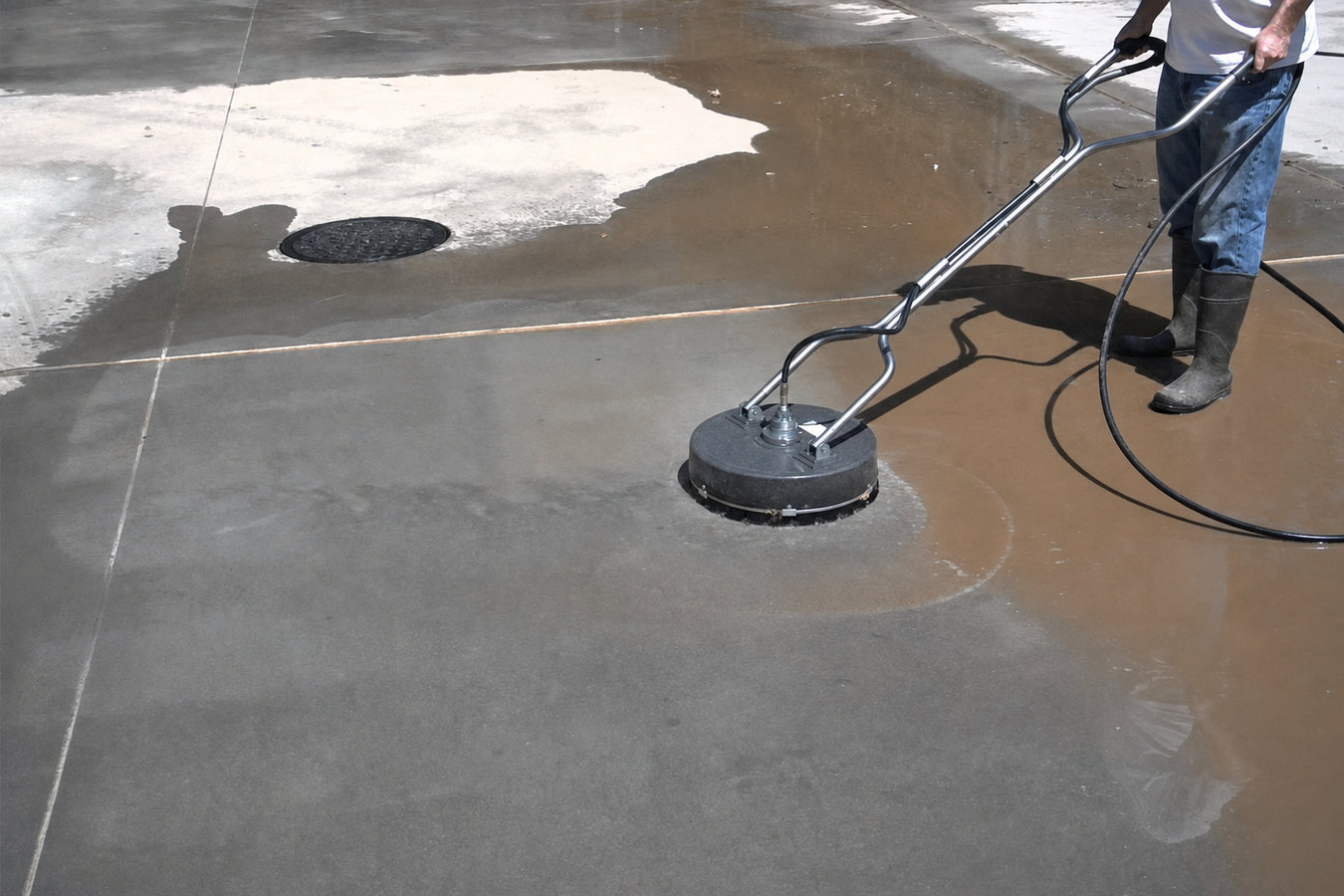
Unprotected concrete in Mission fades, cracks, and absorbs every summer storm. We seal driveways, patios, and garage floors so moisture runs off and the surface holds up through years of South Texas sun.
Concrete sealing in Mission, TX puts a thin protective layer over your slab that blocks moisture, oil, and UV rays from soaking in. Think of it like a raincoat for your driveway - the surface still looks like concrete, but it sheds what would otherwise stain or crack it. Most residential jobs are completed in a single day once the concrete is clean and dry.
In Mission's climate, unprotected concrete takes a beating from two directions at once - intense year-round sun bleaches and weakens the surface, while the clay soil underneath swells with summer rains and shrinks during dry months, putting pressure on the slab from below. A properly applied sealer slows both of those processes, keeping the concrete solid and cleanable for years longer than it would last bare. If your slab has rough spots, old coatings, or uneven sections that need to come off before a sealer can bond properly, that work is handled through our Concrete Grinding and Surface Preparation service first.
Pour a small cup of water on your driveway or patio and watch what happens. If it soaks in within a minute or two and leaves a dark wet patch, your sealer is gone. In Mission, where summer downpours can dump a lot of water fast, unprotected concrete absorbs that water repeatedly and begins breaking down from the inside.
Concrete that once looked solid but now appears washed out or leaves a dusty residue on your shoes has lost its surface protection. This is especially common in Mission because of the intense year-round sun - UV exposure bleaches and breaks down both the concrete surface and any sealer that remains. Once it reaches this stage, resealing sooner rather than later prevents deeper damage.
Hairline cracks and small chips along slab edges are early signs that water has been getting in and the wet-dry expansion cycle from Mission's clay soils is doing its work. Sealing now can slow that process before the cracks grow into something that needs repair rather than just protection. A contractor will inspect before sealing and recommend crack filling if needed.
Even if your concrete looks okay, three years of Mission sun, summer storms, and clay-soil movement is enough to wear through most sealers. If you cannot remember the last time it was sealed - or if you bought the home and do not know its history - it is worth having a contractor take a look. The water-bead test will give you a quick answer before you call anyone.
The right sealer depends on the surface you have and what you want it to look like when the job is done. Penetrating sealers soak into the concrete and protect it from the inside without changing how the surface looks - a good fit for driveways and patios where you want protection without a shiny finish. Topical sealers sit on top and give the surface a glossy or wet-looking sheen, which is popular for decorative concrete and garage floors where appearance matters. For concrete that has an existing stain or decorative finish, a compatible topcoat sealer protects the look while keeping the design intact. In Mission's climate, all of our sealer choices are rated to hold up under heavy UV exposure, which is what separates a product that lasts two to three years here from one that fails in the first summer.
When a slab has significant cracking, surface deterioration, or old coatings that need to come off before a sealer can bond, we combine sealing with our Concrete Resurfacing and Overlays service - which restores the surface first and gives the sealer a clean, solid base to protect. That combination is often the more cost-effective path for older Mission driveways and patios that are past the point where sealing alone will solve the problem.
Soaks into the slab and protects from the inside out without changing the surface appearance - suited to driveways, patios, and walkways where a natural look is preferred.
Sits on the surface and adds a sheen that makes the concrete look rich and finished - popular for garage floors, covered patios, and any surface where appearance is part of the goal.
Applied over stained or decorative concrete to lock in the design while protecting it from Mission's UV exposure and seasonal moisture - chosen to be compatible with the finish underneath.
Removes old sealer, pressure washes the surface, fills minor cracks, and applies a fresh coat - the routine maintenance cycle that keeps Mission concrete solid and looking good year after year.
Mission sits in the Rio Grande Valley, where UV levels rank among the highest in the continental United States and summer temperatures regularly exceed 100 degrees for months at a time. That combination breaks down sealers faster than homeowners from other parts of Texas might expect - what lasts five years in Houston or Dallas is often gone in two to three years on a Mission driveway that faces west or sits in full afternoon sun. The caliche-rich soil common in this part of South Texas also affects how older slabs bond with new sealers, because concrete poured over caliche-heavy ground can develop a chalky surface layer over time. A contractor who understands local soil chemistry chooses a product that bonds correctly rather than applying a one-size-fits-all sealer that may not hold. The Portland Cement Association provides guidance on sealer compatibility with different concrete types and conditions.
Mission also receives most of its annual rainfall in short, concentrated bursts during late summer storm season. Flat lots with limited natural drainage - which is most of Mission - can hold standing water for hours after a heavy rain, and that standing water is one of the fastest ways to break down unprotected concrete. Keeping the sealer in good shape is the most direct way to protect your driveway and patio from those repeated soakings. Homeowners in Palmview and Hidalgo face the same drainage and UV conditions, and the same sealer maintenance schedule applies throughout the area.
We ask a few basic questions - what surface you want sealed, roughly how large it is, and whether there are any stains or cracks we should know about. We reply within one business day and can usually schedule a site visit quickly, especially in the fall and winter months when conditions are best for sealing work.
We walk the surface and look for cracks, staining, old sealer that is peeling, and any spots where the concrete has started to powder or flake. We check whether the surface drains properly after rain - something that matters a lot in Mission, where flat lots can collect standing water. You get a written estimate with a clear breakdown of what is included.
The crew pressure washes the entire surface, removes old sealer, and waits for the concrete to fully dry before anything goes on. In Mission's heat, drying usually happens quickly, but the crew confirms readiness before moving forward. Sealer goes on in thin, even coats using rollers or sprayers, working in sections to keep the application consistent.
After application, the surface needs at least 24 hours before foot traffic and 48 to 72 hours before parking a car. We walk through the finished surface with you, point out what to watch for during the drying window, and leave you with written care guidance. If anything looks off - streaks, hazy patches, uneven sheen - you raise it before we leave.
Call or send a message for a free written estimate - we assess your surface honestly and give you a clear price before any work begins.
(956) 833-0087Not every sealer holds up equally under Mission's year-round sun. We specify products that are rated for heavy UV exposure rather than applying a general-purpose sealer that may look fine at install but fade and fail within one season. The difference shows up two years from now, not on day one.
We inspect every slab for cracks before we price or schedule the work. Sealing over an open crack traps moisture inside and makes the problem worse over time - especially in Mission, where clay soils keep moving with every rain cycle. Crack repair is included in the scope when needed, not added on after work has started. The Concrete Network is a good resource for homeowners who want to understand what proper prep before sealing looks like.
Applying sealer in Mission's summer heat - when temperatures can hit 100 degrees by midday - risks the sealer drying before it bonds or turning hazy from afternoon humidity. We schedule sealing jobs in the cooler months or early morning hours to get the conditions right, and we reschedule if weather on the day is not suitable for good results.
We assess your surface during the on-site visit and price the job based on what we actually find - including any staining that requires extra cleaning or cracks that need filling. What you are quoted is what you pay. We do not use a low estimate to get the booking and then add line items once work has started.
Sealing is one of the most cost-effective things you can do to extend the life of concrete in Mission's climate. We have seen firsthand what happens to driveways and patios that go unsealed through a few years of South Texas summers - and the repair cost is always more than regular maintenance would have been.
When sealing alone is not enough - resurfacing rebuilds a damaged or worn slab surface before a sealer coat is applied, extending the life of concrete that would otherwise need replacement.
Learn MoreThe prep step that makes sealing work - grinding removes old coatings, opens the concrete surface, and gives the sealer a clean base to bond to properly.
Learn MoreSummer is hard on Mission driveways - lock in your appointment before the heat sets in and application conditions get harder to work in.