
Loading...
Serving Mission, TX and surrounding areas. (956) 833-0087
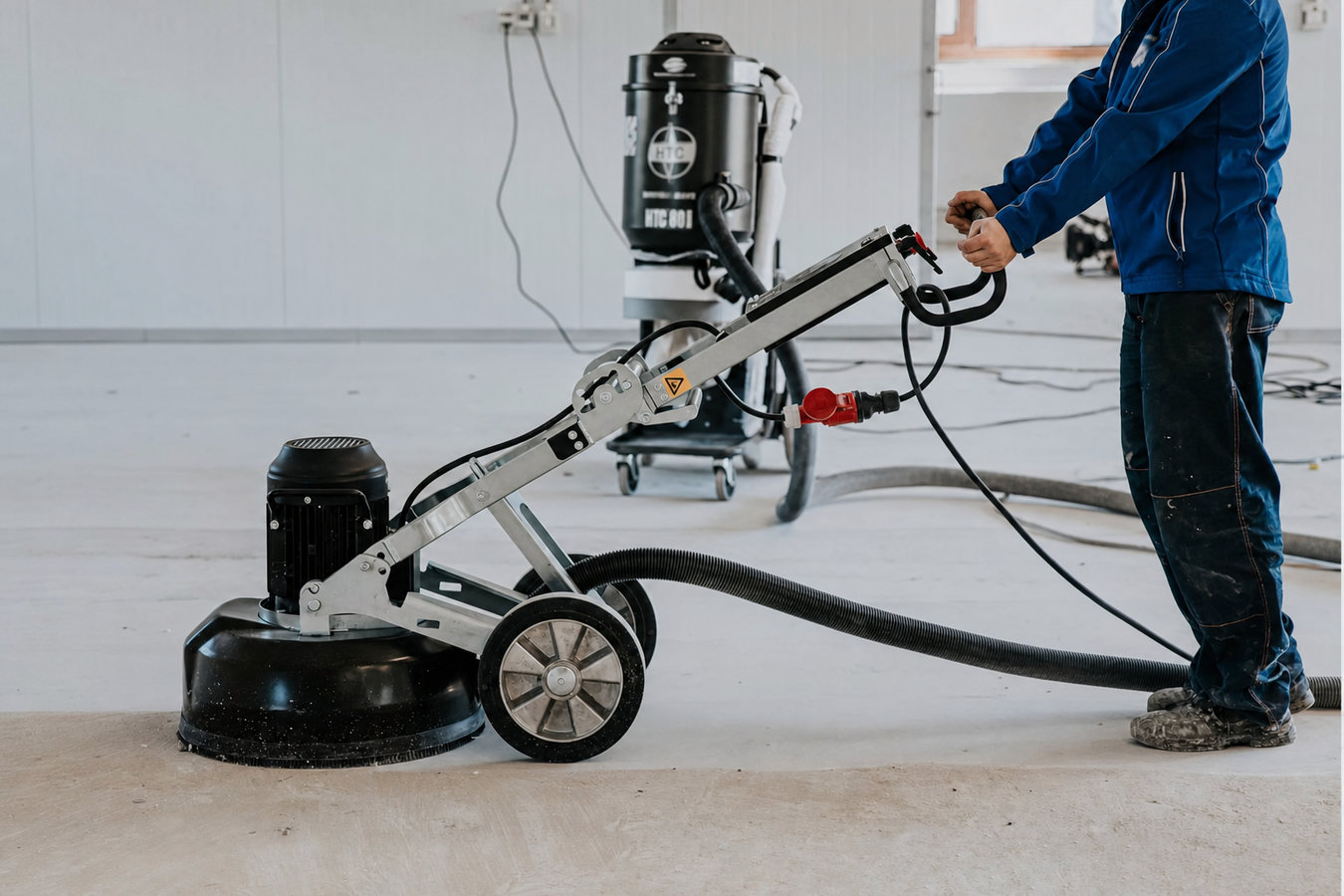
A new coating on an unprepped slab will peel before the year is out. We grind down Mission concrete floors so old coatings, adhesive, and rough spots are gone and the surface is ready to bond with whatever goes on next.
Concrete grinding in Mission, TX uses diamond-tipped machines to shave down the surface of your slab, removing old coatings, adhesive residue, high spots, and contaminants so the concrete is clean and open. Most residential jobs - a garage floor, a patio, or a utility room - are completed in one full day.
Think of it like sanding wood before you paint it. Concrete that has never been ground - or that has an old coating sitting on top - has a surface that new materials cannot grip. In Mission, where heat and humidity put extra stress on coating bonds, skipping this step is the most common reason a floor fails within the first year. Grinding opens the tiny pores in the concrete so whatever goes on next - an epoxy coating, a sealer, or a new finish - actually sticks.
If you are not sure whether your project also requires a full sealer coat after prep, our Concrete Sealing service covers that next step in detail.
If the paint, epoxy, or coating on your garage or utility floor is lifting at the edges or bubbling in the middle, the surface underneath was never properly opened. In Mission, coatings applied over an unprepped slab fail faster because the heat and humidity break down the weak bond quickly. Grinding back to bare concrete and starting fresh is the only real fix.
Walk slowly across your garage or patio floor and feel for any spot where your foot catches or rises. Uneven joints are common in Mission homes because the clay soil underneath shifts as it absorbs and releases moisture with each rain season. A height difference as small as a quarter inch is a tripping hazard, and grinding can level it down without replacing the slab.
If you have removed flooring and the slab underneath is covered in black mastic, dried glue, or adhesive residue, you cannot lay new flooring directly on top. The adhesive creates an uneven surface and prevents new materials from bonding correctly. Grinding is the most effective way to remove it cleanly and give you a flat, workable base.
Oil from vehicles, rust marks, and mineral deposits from the Rio Grande Valley hard water can soak deep into concrete over time. When scrubbing no longer removes them, they have penetrated the surface layer. Grinding removes that contaminated layer and gives you a clean, uniform surface - especially important if you are planning to apply a decorative coating or stain afterward.
Not every floor needs the same approach. A garage slab that just needs an old paint coat stripped is a straightforward one-day job. A floor that has been through years of Mission summers, tile removal, and clay-soil movement needs a more thorough assessment - checking for moisture, testing crack stability, and making multiple passes with different grits to get the surface fully open and level. Whatever the condition of your concrete, we match the prep work to what the slab actually needs, so the next step - whether that is an epoxy coating, a sealer, or polished concrete - bonds and holds.
After grinding, many homeowners in Mission choose to follow up with our Concrete Floor Stripping and Removal service when heavy legacy coatings or old flooring materials need to come off before the grinder can reach bare concrete. Both services are often combined into a single project so you are not coordinating two separate contractors or two separate site visits.
Suited to garage floors and utility slabs where an old coating has failed and needs to come off completely before a new system can be applied.
For slabs left after tile, vinyl, or carpet removal - grinds away the residue so new flooring or coatings have a clean, flat surface to bond to.
Grinds down raised edges and uneven sections caused by slab movement - the right choice when you have a trip hazard or a surface too uneven for a coating to lay flat.
The complete prep sequence before a new epoxy, polyaspartic, or decorative floor coating goes on - ensures the surface is clean, open, and at the right profile for the product being applied.
Mission sits on clay-heavy soil that expands when it rains and shrinks back during the dry months. That constant movement is why so many local slabs develop uneven joints, surface cracks, and sections that have shifted over time. It is also why older homes in the city often have garage floors covered in multiple layers of paint or coatings applied over the years - each one applied in the hope it would hold, and each one eventually lifted by the same combination of heat, moisture, and ground movement. Before any new coating can go on, that history has to come off. The International Concrete Repair Institute sets the industry standards for surface preparation, and a contractor who follows those guidelines is working from a recognized professional baseline.
Mission summers also matter when you are scheduling this work. Grinding itself can happen year-round, but any coating applied after the grinding has temperature limits - and afternoon temperatures in the Valley regularly push past what some products can handle. Experienced local contractors schedule grinding and coating work for the cooler months or early morning hours. Homeowners in McAllen and Edinburg face the same soil and climate conditions, and the same preparation steps apply across the entire Rio Grande Valley.
We ask a few basic questions - what area needs grinding, what is currently on the floor, and what you plan to do with it afterward. This helps us show up to the estimate already thinking about the right approach. We reply within one business day.
We visit your home and walk the floor in person, checking for old coatings, cracks, uneven sections, and any signs of moisture. We may do a quick water-drop test on the surface. You get a written estimate broken down by square footage so you can compare it clearly against other quotes.
Before the crew arrives, you will need to clear the area completely - vehicles, shelving, stored items, everything. The crew sets up dust-collection equipment before starting, then makes multiple passes with different grits, starting coarser to remove material and finishing finer to smooth the surface. Most garage jobs take one full day.
After grinding, the crew vacuums up remaining dust and debris. We walk the floor with you - run your hand across the surface, look for any shiny or uneven patches, and we show you the water-drop test to confirm the surface is open and ready. Any concern you raise gets addressed before we pack up.
Call or message for a free written estimate on your concrete grinding project - we assess the slab honestly and give you a clear price before any machine touches your floor.
(956) 833-0087Concrete dust contains fine silica particles that are harmful to breathe, and in a Mission home where the AC recirculates air, that dust spreads fast without proper containment. OSHA requires dust controls for silica work, and we use vacuum systems attached directly to the grinder on every job - so your family is not breathing it and your home is not coated in concrete powder when we leave.
Moisture vapor traveling up through a slab from Mission's clay-heavy soil is a common issue local homeowners do not always know to look for. We test for it during the assessment - before any price is quoted - so the estimate reflects the actual condition of your slab, not a best-case assumption. Addressing moisture upfront is what keeps a new coating from peeling later.
One of the biggest concerns homeowners have is a quote that climbs once work is underway. We do a thorough on-site assessment before giving you a price, so the estimate reflects the actual condition of your floor - old adhesive, uneven spots, and all. What you are quoted is what you pay.
Mission has a significant number of homes built in the 1970s through 1990s, many with garage slabs that have seen multiple rounds of DIY coatings or old tile adhesive. We know what those floors tend to look like underneath, which means fewer surprises once the machine starts and a more accurate estimate from the beginning.
Surface preparation is the step that determines whether everything that comes after it holds up. We do not rush it or skip passes to save time, because a floor that is not properly prepped will show you the problem within one Mission summer.
The natural next step after grinding - sealing locks in the open surface and protects your Mission slab from moisture, UV exposure, and the wet-dry cycles of clay soil.
Learn MoreWhen thick coatings or old flooring materials need to come off before the grinder can reach bare concrete - often the step that makes grinding possible on heavily layered Mission slabs.
Learn MoreFall and winter slots book quickly - the best time to prep your floor is before the summer heat arrives and coating conditions get harder to work in.